Natural Light in DHA Islamabad Apartments: A Buyer’s Checklist
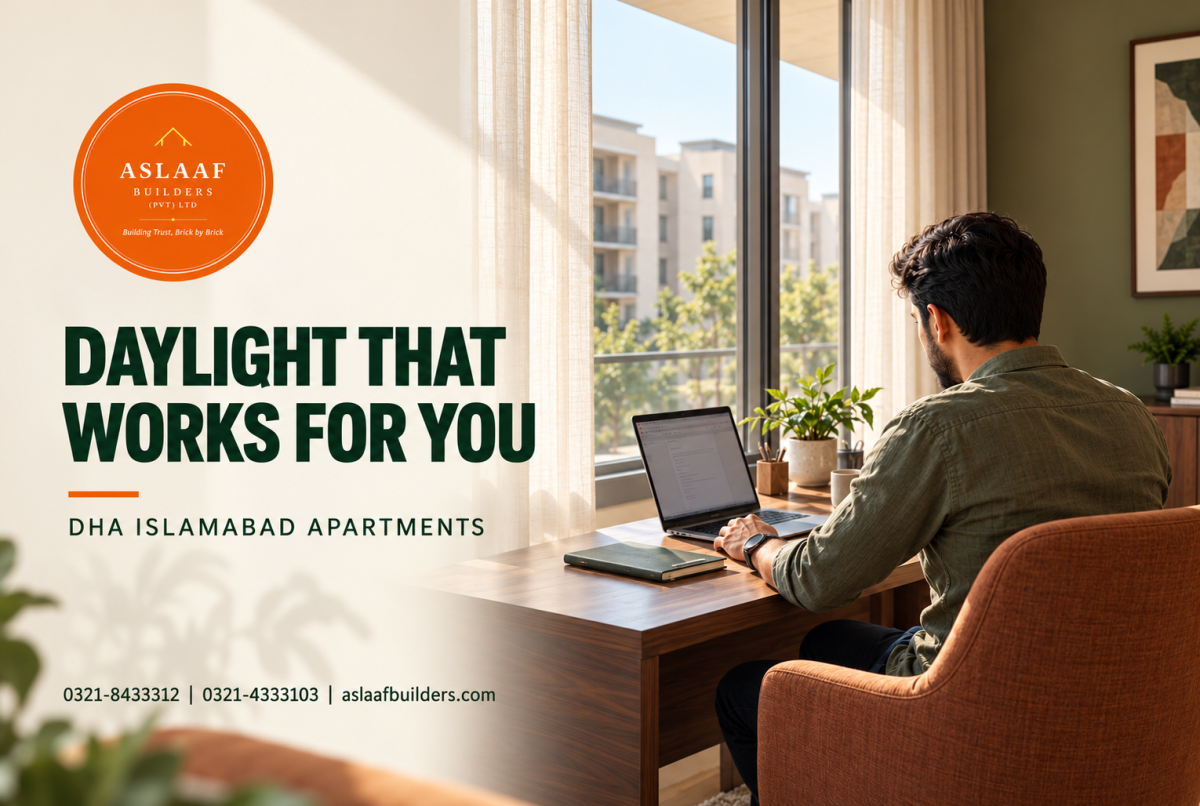
All lights are on during the viewing. The lounge looks welcoming, and the bedrooms photograph beautifully. Then you reach for a switch. Without the ceiling lights, the room you choose for your home office feels quite different. You like the apartment, but you still do not know whether you can spend an ordinary morning there comfortably. Check natural light in DHA Islamabad apartments before you commit to the purchase. A large window, an upper-floor address or a bright listing photograph does not answer every question. You need to see how daylight reaches the places where your family sits, reads and works. Start with the exact unit. Then test its rooms against the routine you plan to bring into it.
View the Apartment With the Lights Off
Arrange a daytime viewing and ask permission to switch off the lights inside the apartment. Leave shared corridors and safety lighting alone. With the seller’s consent, open the curtains or blinds and look through each room. Notice which spaces feel comfortable and which depend heavily on artificial lighting. Give yourself time to assess the interior instead of moving straight towards the balcony.
Start with the rooms your household uses most during daylight hours. For one family, that means the lounge and kitchen. For another, it means a child’s study area or a parent’s bedroom. Stand near the entrance, in the middle and towards the back of each room. Record where the light feels useful. A bright patch beside the glass tells you little about the rest of the space.
Separate Daylight From Direct Sunlight
A room can receive useful daylight without a beam of sun crossing the floor. Direct sunlight can also create glare or add unwanted heat. Australian government guidance explains why good daylight design needs to balance these effects. During the viewing, judge whether you can use the room comfortably. Ask how the conditions change through the day. More direct sun does not automatically make an apartment the better choice.
Look Beyond the Size of the Windows
Walk up to each window and look at what lies outside it. A neighboring wall, projecting balcony or part of the building itself may restrict the opening’s exposure to the sky. Note whether the bedroom faces an open side, a narrow gap or an internal shaft. Compare the actual outlook from every important room. The lounge window does not represent the whole apartment.
Then step back and assess the room’s depth. Does the daylight reach the proposed dining table, or does it stop around the sofa? Look at the position of internal walls and the arrangement of adjoining spaces. Ask yourself whether your furniture leaves you with a useful layout. A wide window may still serve only one part of the room. Judge the space from where you expect to live in it.
Check Light Where You Sit, Read and Work
Imagine your furniture in place before deciding that the apartment feels bright enough. Identify where the sofa, dining table and study desk can realistically go. Consider doors, sockets and walking routes as well as windows. Sit at roughly the height you use for reading or working. Notice whether the light helps the activity or makes it uncomfortable. Your daily position matters more than the best spot for a photograph.

For a home office, ask permission to place a laptop where the desk might sit. Look for reflections on the screen and consider alternative desk positions. Check whether an adjustment solves the issue without blocking a doorway or crowding the room. You can use a lamp for specific tasks, but include that need in your assessment. A workable study corner should suit the room’s layout and your working hours.
Remember the Kitchen and Dining Area
Do not give the kitchen only a quick glance. Look at the worktop where you expect to prepare breakfast and the area around the sink. Check the dining space from a seated position too. Your family may spend more daytime hours here than in the formal sitting area. Note where additional task lighting would help. Aim for a practical home, not a room that passes a simple lights-off test.
Balance Daylight With Privacy and Glare
Open curtains show one version of the apartment. Your normal privacy needs may show another. Look toward neighboring windows, balconies, and common access routes. Ask whether you would feel comfortable keeping the curtains open while sitting, working or receiving family visitors. If you expect to cover the glass for much of the day, assess the room with that covering in place. Daylight needs to work with the way you actually live.
Where blinds or curtains already exist, try their normal settings with permission. See whether you can maintain privacy while keeping useful light. Also notice glare on the television, laptop or dining surface. Government lighting guidance recommends considering window design, shading and the activity within the room together. Ask a suitable designer about possible improvements before assuming that a different blind or window film solves everything.
Revisit at a Time That Matters to Your Household
A late-morning viewing can't capture every afternoon or season. Schedule a second visit at a different time, especially if daylight strongly affects your choice. A home worker may want to assess the proposed office during working hours. A family may prefer to check the lounge when children usually return home. Choose a time that answers a specific question from the first visit.
Record the date, time and weather during both viewings. Cloud cover makes comparisons less direct, so avoid treating two visits under different conditions as an exact test. Photographs can help you remember the rooms, but camera processing can change their apparent brightness. Ask residents about their experience and use their answers as supporting information. Where the decision needs a more detailed assessment, consult an architect or daylight specialist.
Check the Exact Unit and Its Surroundings
If the seller shows you a sample apartment, arrange access to the unit you intend to buy. Similar floor plans can face different surroundings. Confirm the unit number, floor and window positions against the available documents. Stand inside its bedrooms and living spaces yourself. If access remains unavailable, keep that uncertainty visible in your decision. A sample apartment cannot demonstrate the daylight in every unit.

Look at vacant land and unfinished structures near the windows, too. Ask what information is available about neighboring development and have important claims checked through the appropriate channels. An open outlook today does not guarantee the same conditions later. Avoid paying extra solely on a verbal promise that nobody can build nearby. Assess the current apartment while recognizing what you can't confirm about future surroundings.
Use a Room-by-Room Daylight Checklist
Complete a short comparison sheet immediately after each viewing. Use the same rooms and activities for every shortlisted apartment. Record observations such as “desk screen reflects window” rather than simply writing “dark” or “bright.” Note which problems a furniture change might address and which need professional advice. Share the sheet with the family members who use those spaces. This keeps the purchase discussion connected to practical needs.
Daylight should sit alongside the apartment’s other strengths and limitations. Review our guide to noise insulation in DHA Islamabad apartments when assessing quieter rooms. If you already own furniture, use our apartment furniture access checklist before committing. Contact Aslaaf Builders with your budget, preferred location and daytime room requirements. Clearly mention a home office or other essential use. These details help shape a more useful apartment shortlist.
Conclusion: Choose Light That Works for Daily Life
Natural light in a DHA Islamabad apartment deserves a closer look than listing photos provide. Visit the exact unit and, with permission, check the main rooms with the lights off. Assess daylight where your furniture and family activities belong. Consider privacy, glare and the surroundings outside each window. Revisit at a useful time and record what you find. Keep uncertain future development claims separate from present conditions. Choose the apartment whose rooms support your routine comfortably, with a clear understanding of any improvements you need.
FAQs About Natural Light in DHA Islamabad Apartments
What Is the Best Time to Check Apartment Daylight?
Start with a daytime visit that suits your normal routine. Arrange a second viewing at another relevant time to investigate questions from the first visit. Record the weather and remember that conditions change through the year.
Does a Higher Floor Guarantee Better Natural Light?
No. Check the unit’s windows, neighboring structures, balcony projections, and room layout. Floor level alone doesn't determine how much usable daylight reaches the rooms.
Do Large Windows Always Make an Apartment Brighter?
Window size is only part of the assessment. Outside obstructions, room depth, shading and privacy coverings also matter. View the room from where you plan to sit or work.
Can I Judge Daylight From Property Photographs?
Use photographs to prepare questions, not to make the decision. Exposure settings and image processing can change apparent brightness. Visit the apartment and make your own room-by-room assessment.
Should Every Room Work Without Electric Lights During the Day?
Assess each room against its intended activities and your preferences. Some tasks need extra light even in a room with good daylight. Include those needs when comparing apartments and planning your budget.


0 Comments