DHA Gujranwala Smart Ballot 2026: How to Check Your Result and Next Steps
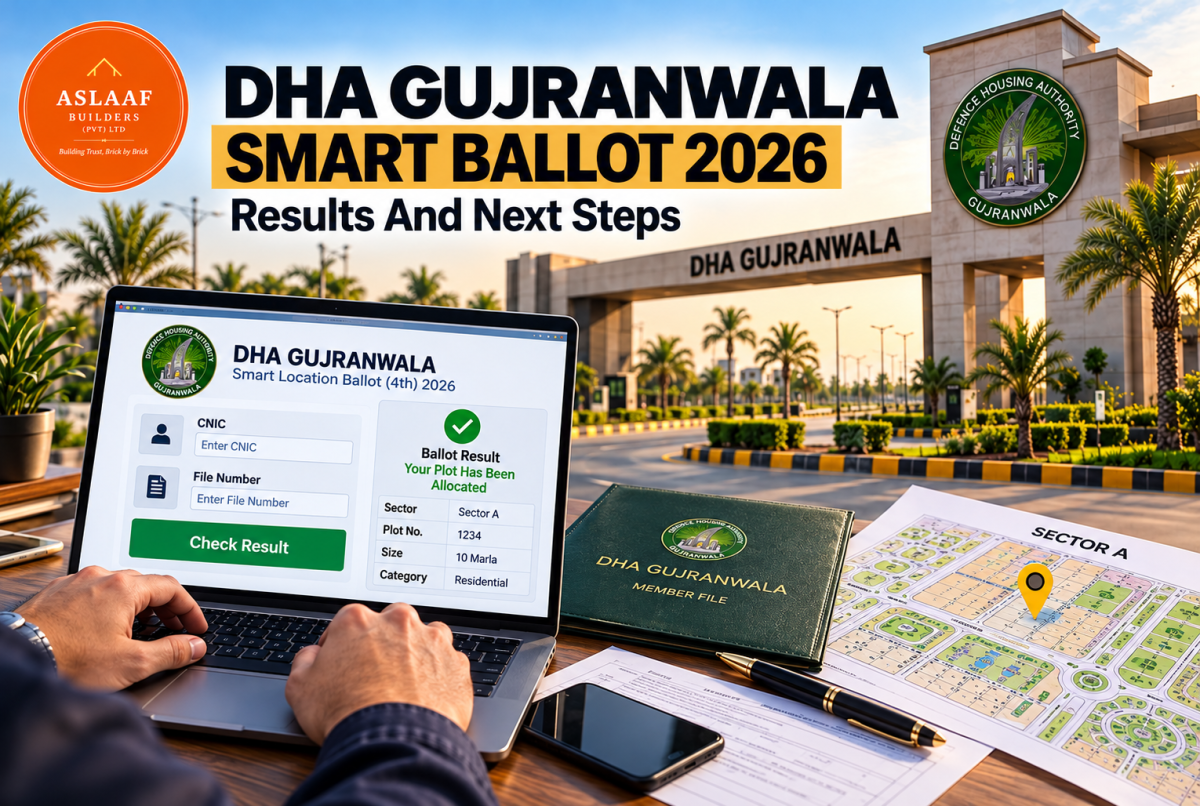
DHA Gujranwala’s official result page identifies the 2026 draw as the Smart Location Ballot (4th). It asks for a CNIC and file number. Members should check their own records through that official route. A forwarded screenshot can help with the investigation. It cannot settle the current position of an individual file. Confirm the result before making a sale or construction decision. A location result gives you a more specific property to assess. The next questions concern its recorded details and actual location. Its current payment position also needs attention. Possession and construction formalities remain separate checks. This guide explains how to review the DHA Gujranwala ballot result 2026. It then connects the result with practical next steps.
How To Check The DHA Gujranwala Ballot Result 2026
Open the result page through DHA Gujranwala’s official website. Check that the domain belongs to the authority. Keep your file document beside you when entering details. Use the relevant member’s CNIC and exact file number. Follow the format shown by the current form. Review the returned message before concluding.
Visit the official DHA Gujranwala ballot-result page.
Enter the CNIC and file number requested by the form.
Select Check Result and review the response for those particulars.
Save a Record Without Treating It as a Transfer Document
Retain the returned result with the date of your check. Compare it with the file particulars already held. Ask DHA which updated document should follow a successful result. Confirm how that document will be issued or collected. Keep the relevant correspondence with your property papers. A saved screen and an authority-issued ownership document serve different purposes.
What To Verify After a Successful Result

Match The Location With The Property Record
Record the sector and plot particulars provided by DHA. Compare them with the updated document when available. Check the recorded size and category. Refer any discrepancy to the authority before preparing a sale agreement. Ask how to verify the current ownership position. The result should become part of a consistent record.
Inspect The Allocated Location
Use the applicable official plan to identify the plot. Arrange a site visit with the property properly located. Check practical access and the immediate surroundings. Observe nearby roads, occupied houses and construction activity. Ask about the exact development position where information is unclear. Avoid assigning a location premium from the sector name alone. An allocated location can change how buyers compare the property. It lets you ask more specific questions about its street and position. That does not guarantee a price increase. Obtain current quotations for similar identified plots. Check whether their payment terms match yours. Use those comparisons before accepting an optimistic resale estimate.
Review Payments Before Setting A Budget
Request the current account and relevant payment schedule. Confirm which payments have been credited. Identify amounts due now and those due later. Ask Finance to clarify missing credits or conflicting figures. Keep old receipts beside the updated account for reconciliation. Do not create a new schedule from another owner’s paperwork. DHA’s payment-voucher page separates land cost and development-charge categories. It also provides current-installment and full-balance options. Use the category relevant to the account being reviewed. Ask for a current voucher where a payment is required. Confirm the intended reference before paying. Retain evidence and check the updated credit afterward.
Keep The Seller’s Demand Separate From Authority Balances
If you plan to buy a newly located property, clarify the quote. Ask what is payable to the seller. Identify buyer-borne outstanding amounts separately. Add applicable transaction expenses through the relevant advisers. Record responsibility for each payment in the reviewed agreement. This keeps an attractive demand from becoming an incomplete budget.
Balloting, Possession and Construction are Separate Stages
DHA’s site-plan and possession form includes ownership and finance verification. It also records site-plan details and physical handover. The applicant’s undertaking covers applicable dues. These include land and development amounts alongside other listed categories. Review the current requirements for the exact plot. A ballot result does not complete these checks. DHA’s official FAQ also places drawing approval and physical demarcation before construction. Ask your architect to identify the applicable submission requirements. Confirm possession eligibility through the relevant branch. Establish which formalities remain outstanding. Allow time for preparation and any observations. Schedule building work only after you complete the required steps.